.webp)
Despite frequent forecasts of pisco trending, consumer awareness of the category remains hazy. With its recent record growth, is that finally changing?
In September 2022, when the Chilean wine brand Lapostolle launched its first range of pisco, Winebow Imports jumped on the opportunity to introduce its two expressions stateside. For Diego Lo Prete, the senior vice president of marketing and global brands at Winebow, it made obvious business sense; the oft-overlooked category has recently shown record performance.
“Historically, growing from a low base at 3 to 3.5 percent annually, [U.S.] consumption jumped by a whopping 33 percent during the peak of COVID-19,” says Lo Prete. While it later slowed, it had still attained “a new plateau for pisco in the U.S.”
Lapostolle’s Pisco Blanco and Pisco XO are made using two aromatic Muscat grape varieties, pink muscat and Muscat of Alexandria, and produced in a process similar to that used for Cognac, double-distilled in a copper alembic still—which would disqualify it from being labeled pisco in Peru. The two countries both have a DO for the colorless grape distillate, but it varies significantly in production and flavor profile, which is perhaps why consumer awareness of the category remains hazy, despite years of bar industry professionals waxing lyrical about its potential.
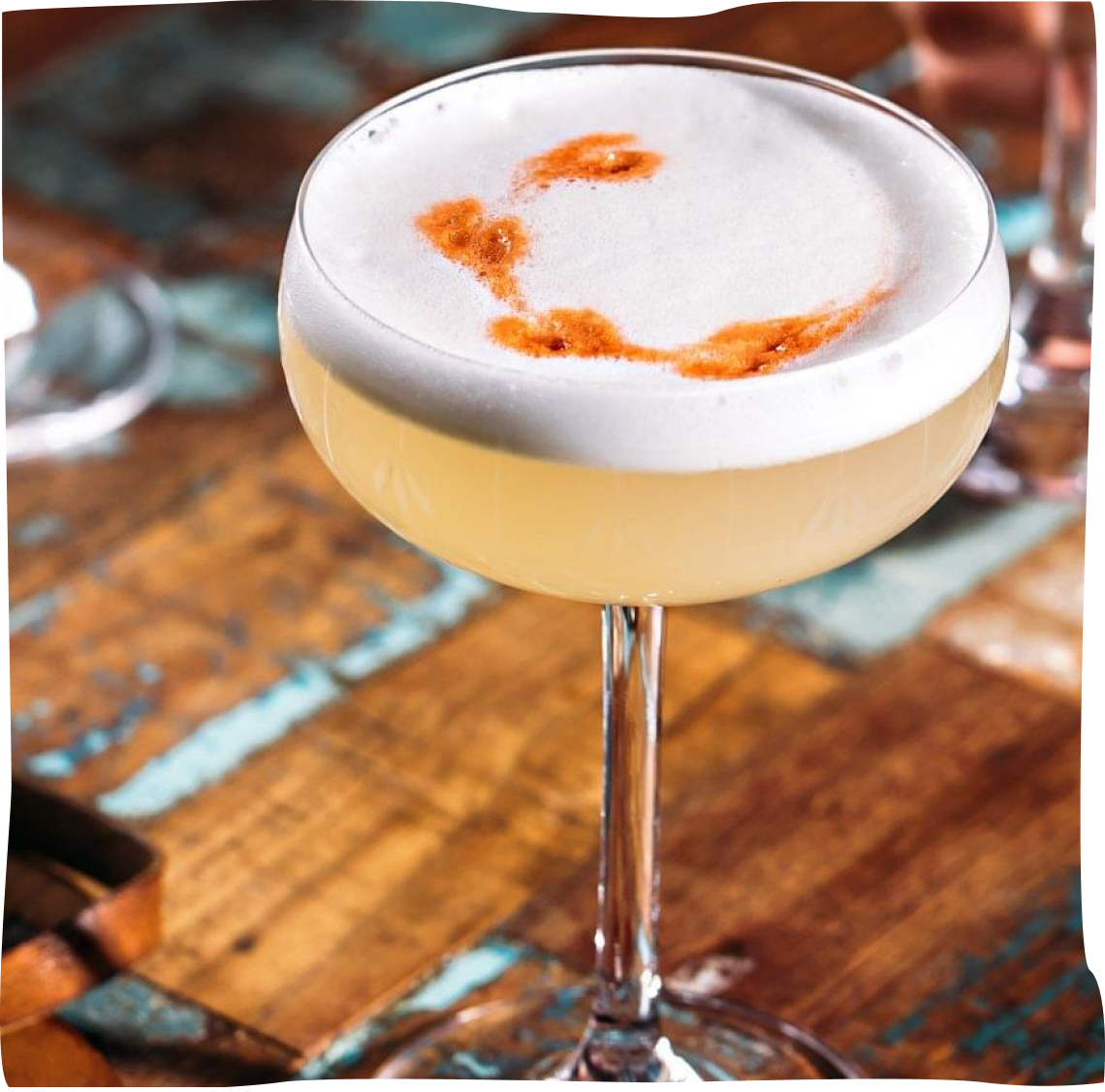
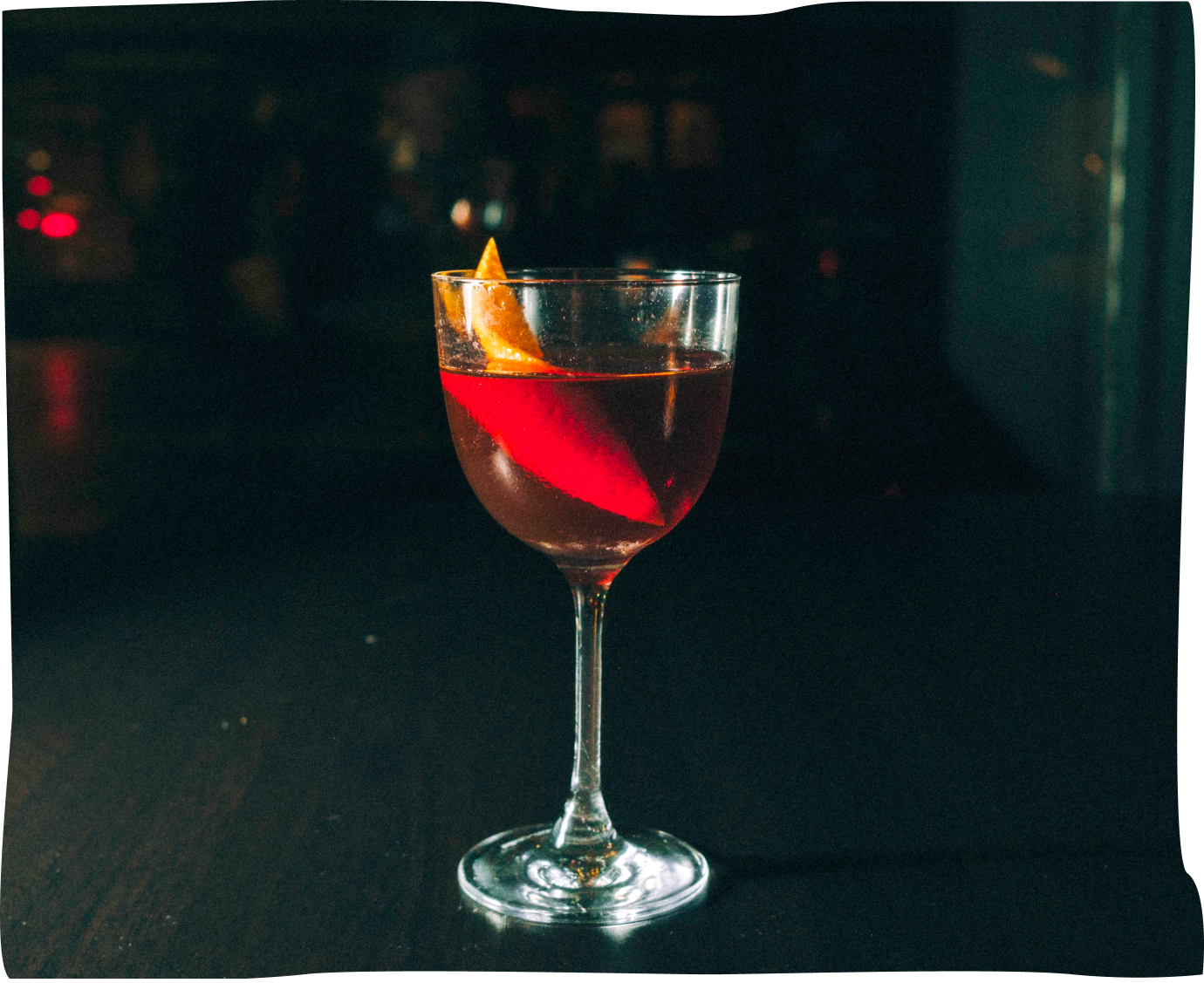

.webp)
.webp)
.webp)


.svg)