Latin America can be defined linguistically as well as geographically — it encompasses the Spanish-speaking countries of not only South America but also parts of the Caribbean and North and Central America. But while these 20-plus countries may share a language, the region contains tremendous cultural diversity, and that extends to spirits and cocktails. In the U.S., Latin America is associated with rum. But there’s a whole range of Latin American spirits and cocktails that are more obscure here and less frequently sampled, from Peruvian pisco to Brazilian cachaça, that are worth getting to know.
Lynnette Marrero, who’s hosting the seminar From Caipirinhas to Coladas: A Cocktail Tour Of Latin America’s Greatest Drinks at the 2026 Food & Wine Classic in Aspen, is an award-winning bartender and author of Puerto Rican heritage, as well as a cofounder of Speed Rack, an all-female high-speed bartending competition whose proceeds support breast cancer research and prevention. Here are some of her (and our) favorite ways to familiarize yourself with Latin American libations.
Swap the rum in a Daiquiri
The most common misconception about Latin American cocktails, Marrero says, is that Daiquiris have to be frozen. Put the words “Latin American” before “cocktails,” and it’s hard not to think of fruit juice, blenders, and straws. In fact, the original Daiquiri, born in Cuba in the early 1900s, is a simple but glorious alchemy of rum, fresh lime juice, and sugar.
A Daiquiri is therefore also the ideal way to start your journey through the spirits and cocktails of Latin America, as its simplicity makes it easy to swap in various rums and taste their subtle differences. “Cane spirits are fairly ubiquitous throughout a good portion of [Latin American] countries,” says Noah Small, former beverage director at the Empellon restaurant group. “The Daiquiri could geographically cover so many different things, and you could see so many different iterations by just going country to country.”
“Latin America has the most rum-producing countries and the most varied styles,” Marrero says. “The Caribbean countries have so many styles, from traditional molasses to agricole [made from cane juice].” Many, but certainly not all, Latin American rums are made using the solera method, in which younger and older rums are blended together, rather than with a single age statement, such as Guatemala’s Ron Zacapa 23 or Panamanian Ron Abuelo.
Many rums from the region also add sugar or other additives after distillation, producing a more viscous, easy-to-sip final product; one of the most popular “dosed” rums is Diplomatico, from Venezuela. But for every rule there are plenty of exceptions, including Flor de Caña from Nicaragua and agricole-style Copalli from Belize.
What is pisco?
The Pisco Sour is a popular cocktail, but not enough drinkers in the U.S. are familiar with the spirit for which it’s named, which is essentially an unaged grape brandy. “I think pisco gets lumped in with agave spirits in people’s minds when, really, it’s closer to Cognac and Armagnac,” says Small. Pisco can be made from many different grape varieties, but Quebranta is the most common in Peru, while Muscat grapes are generally used in Chile, and both countries vehemently insist that they invented pisco.
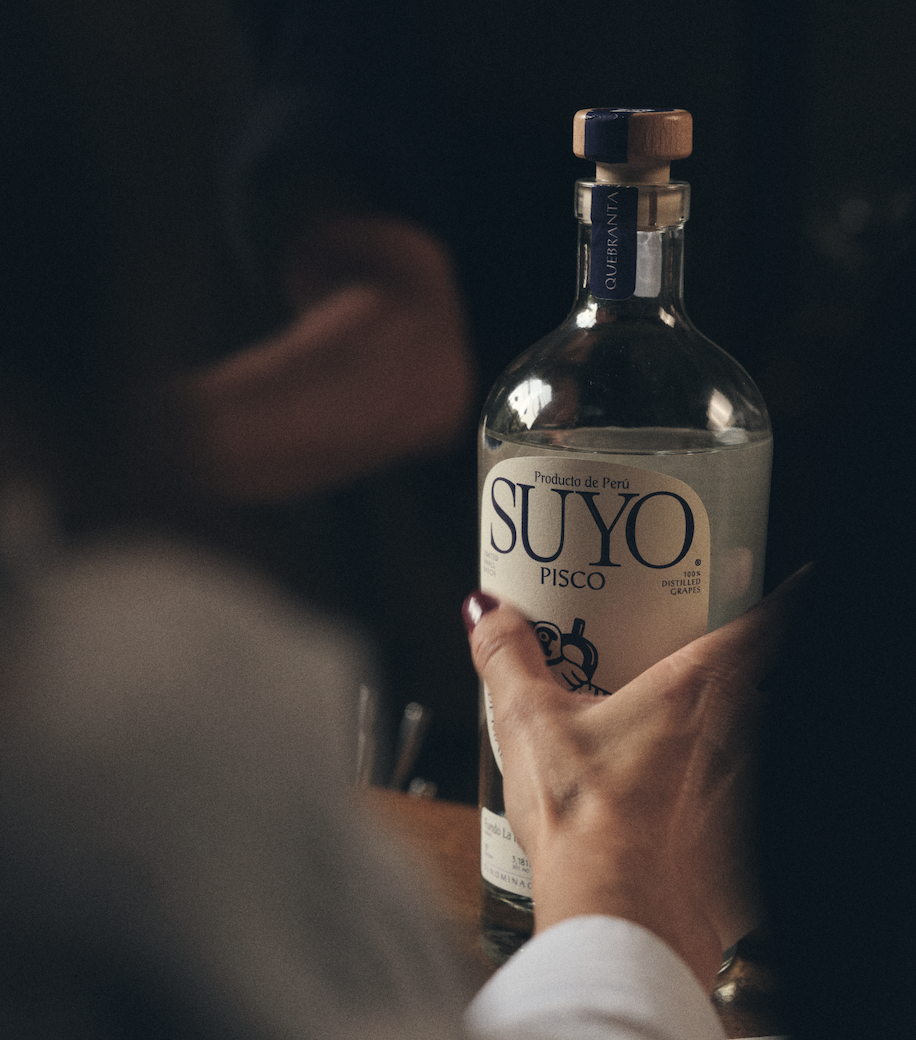
Pisco can stand on its own as a fine sipping spirit. “I truly believe this is such a gorgeous spirit,” Marrero says. “The one I am using in my class, Suyo (a Peruvian brand), is making single-origin pisco to explore terroir. I think this is a great way to show how important the agriculture is to this elegant spirit.”
What is cachaça?
Until 2013, the Alcohol & Tobacco Tax & Trade Bureau (TTB) required all bottles of cachaça, the primary spirit in a Caipirinha, sold in the U.S. to be labeled as “Brazilian rum.” Even after the mandate was dropped, cachaça is still considered “a type of rum,” though it’s also “a distinctive product of Brazil.” True, it’s distilled from sugarcane juice, similar to rhum agricole, which is produced primarily on the French islands of Martinique and Guadeloupe. However, cachaça “tastes very different from rhum agricole from Martinique or even an unaged cane rum not from Brazil,” says Smalls. “For me, it’s all about terroir.”
Cachaça is made from Brazilian sugarcane, and much of it is aged in barrels made from Brazilian wood. Artisanal cachaças from smaller producers also tend to be pot-distilled and bottled at a lower strength than rhums agricole, most of which are column-distilled. “Cachaça, generally for me, lacks some of the funkier esters that we see in agricole,” Small notes. “Less grassy and less vegetal, more mineral, [with] a very pronounced flavor of sugarcane.”
The Caipirinha is the best-known cachaça cocktail, but there are plenty of other ways to mix it. The Batida is a Brazilian take on a piña colada, employing fruit juice, sugar, and usually (though not always) condensed milk or coconut milk. The Rabo de Galo (Portuguese for “tail of the rooster” — or “tail of the cock”) is a Negroni-esque combo of cachaça, sweet vermouth, and Cynar. And the Macunaima, a modern classic created for the 2014 World Cup, features aged cachaça, lemon juice, rich simple syrup (2:1 sugar to water), and Fernet Branca, served ice-free.
Putting a Latin spin on classic cocktails
An Argentinian Martini? A Mexican Manhattan? Why not! Spirits not normally associated with Latin America are made and consumed there, from corn whiskey in Peru to single malts from Brazil and Argentina. Many Latin American countries also produce gin using local botanicals; Argentina has hundreds of gin distilleries, and Colombia and Venezuela are also producing noteworthy brands. For a Latin spin on Cognac, some Chilean piscos are aged in wood.
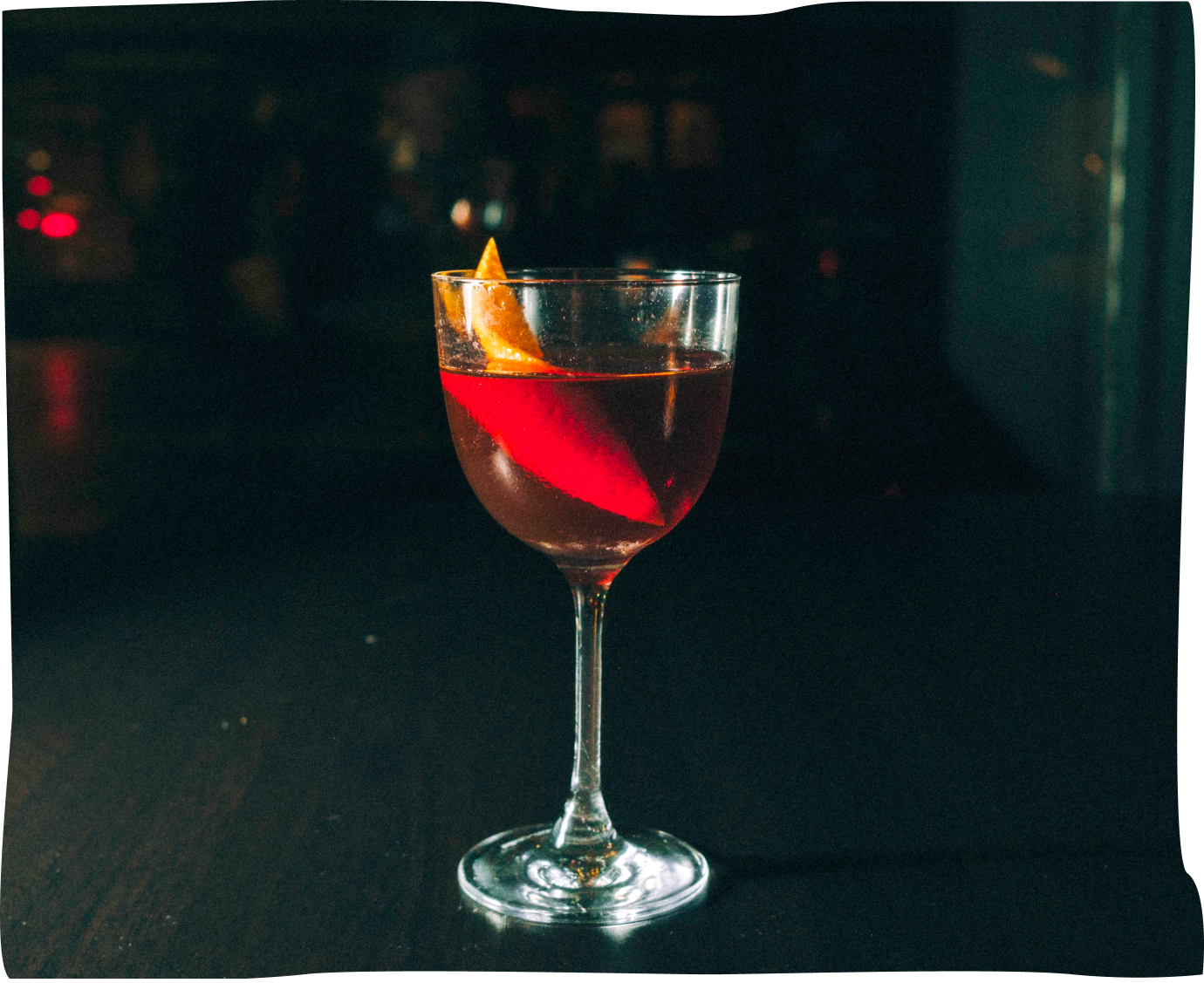
Latin American spirits can also be used in place of more familiar whiskeys and gins in classic cocktails, from the Rum Old Fashioned to the Oaxacan Negroni, which replaces gin with mezcal. "I love [pisco] in Martini variations with a split base, paired with gin or agave [spirits],” says Marrero, who also recommends El Capitán for a pisco-based play on a Manhattan. and adds,

.webp)
.webp)
.webp)


.svg)